How Record Wildfires Wiped Out Decades of Clean Air Progress in Canada
For years, Canada was considered a clean air success story.
From the early 1990s to 2023, the country made steady, measurable gains in cutting pollution from vehicles, factories, and power plants. Air quality improved. Health outcomes improved. Policies worked.
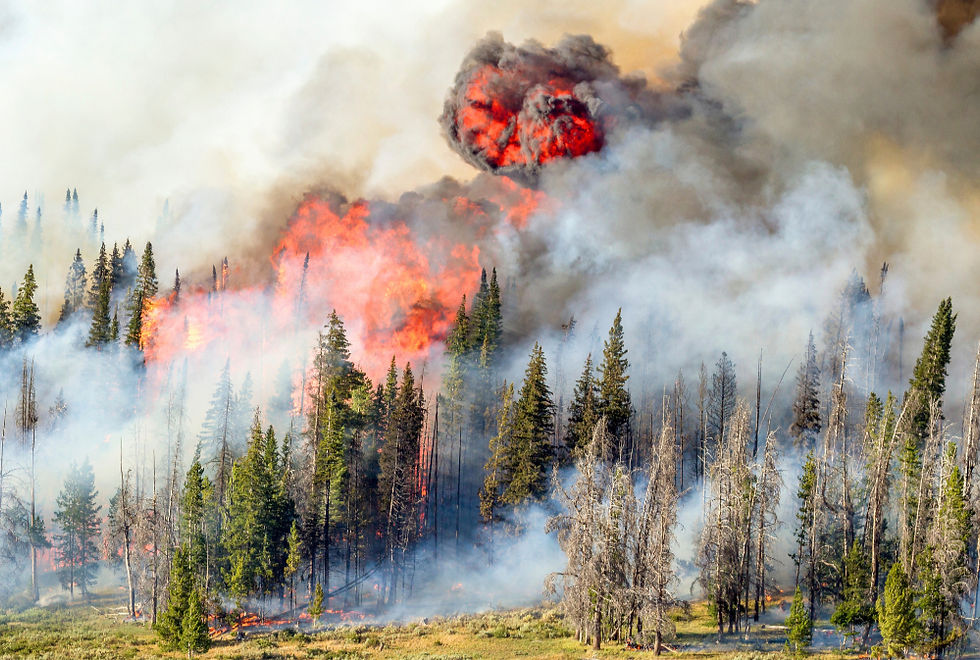
Then came the wildfire seasons in 2023 and 2025.
Those record-breaking fires didn’t just burn forests. They reversed decades of environmental progress in a matter of months.
For a more in-depth look, check out Lark Scientific researcher Denis Koshelev’s article, Record-Breaking Wildfires Reverse Progress in Canadian Air Quality.
The Quiet Wins We Don’t Talk About Enough
Between 1990 and 2023, Canada achieved major reductions in key air pollutants, thanks to federal and provincial regulations and better technology.

Sulphur oxides fell by 80%, largely due to acid rain controls and phasing out coal-fired power in Ontario and Alberta
Nitrogen oxides dropped by 45%, driven by stricter vehicle emission standards
Carbon monoxide declined by 65%
Volatile organic compounds (VOCs) decreased by 38%
These weren’t small wins. They were structural changes, built over decades.
Fine particulate matter, or PM2.5, also fell by about 15%. PM2.5 is the pollutant most closely tied to serious health effects, including heart and lung disease.
Between 2000 and 2011:
Millions of respiratory symptoms were avoided
Roughly 1,800 premature deaths were prevented each year
Millions of days lost to illness were prevented
Canada earned a place among countries with the cleanest air in the world.
Then the Fires Changed Everything
The 2023 wildfire season was the worst in Canadian history. The 2025 season followed as the second worst.
In 2023:
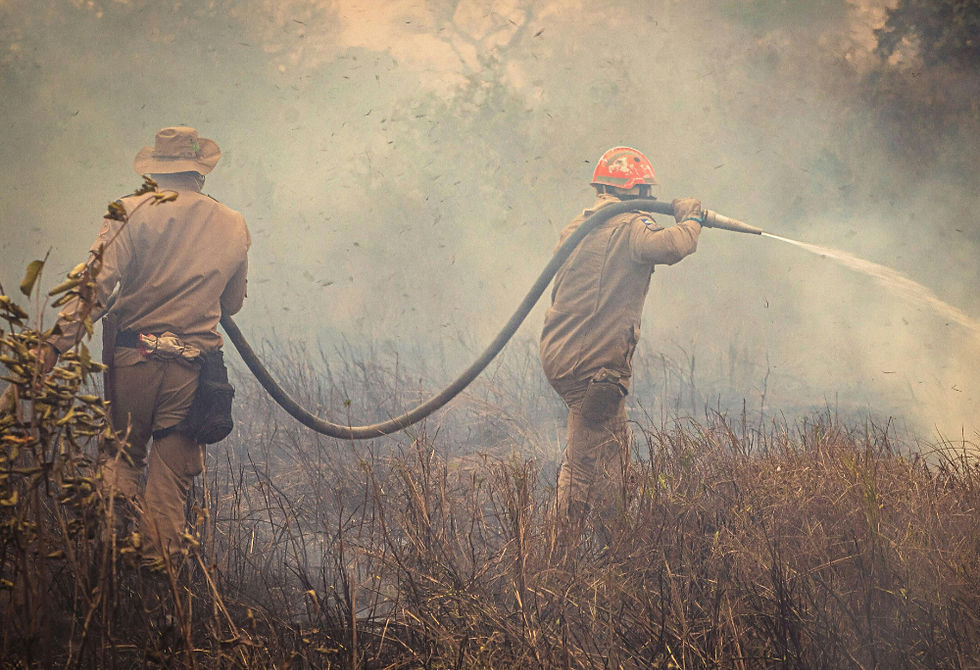
16.5 million hectares burned
That was more than double the previous record
Nearly seven times the historical average
By early August 2025, another 8.8 million hectares had already burned.
This isn’t a bad year. It’s a pattern.
Canada is warming at about twice the global average. With more than a quarter of the world’s boreal forest, the country is uniquely exposed to fire risk. Hotter temperatures, lower humidity, shifting rainfall, and more lightning have created the perfect conditions for megafires.
In 2023, about 93% of the burned area came from lightning-caused fires, not human activity.
The fire season now:
Starts earlier
Ends later
Burns hotter
Is harder to control
Some fires even smoulder through winter, re-emerging in spring as so-called “zombie fires.”
From Progress to Crisis
The impact on air quality was immediate.
National average PM2.5 levels jumped from 6.1 micrograms per cubic metre in 2022 to 9.2 in 2023. That’s a 51% increase in a single year.
The new level:
Exceeded Canada’s national air quality standard
Nearly doubled the World Health Organization guideline
More than half of Canadians breathed air that failed to meet national health standards in 2023. In the previous five years, that number had been under 5%.
In regions like the Northwest Territories, northern British Columbia, and Alberta, air pollution reached levels comparable to some of the most polluted regions in Latin America.

If sustained over a lifetime, that level of exposure could shorten life expectancy by two to four years.
Even more concerning, emerging research suggests wildfire smoke may be more toxic than other forms of PM2.5, due to its chemical composition. That means we may still be underestimating the true health burden.
After decades of steady improvement, Canada’s clean air gains proved fragile. And climate change is now the force reshaping the entire equation.


