Could Hybrid Aircraft Work in Canada?
Updated: May 7
New aircraft concepts often sound promising on paper. The real test comes when they meet operational reality.
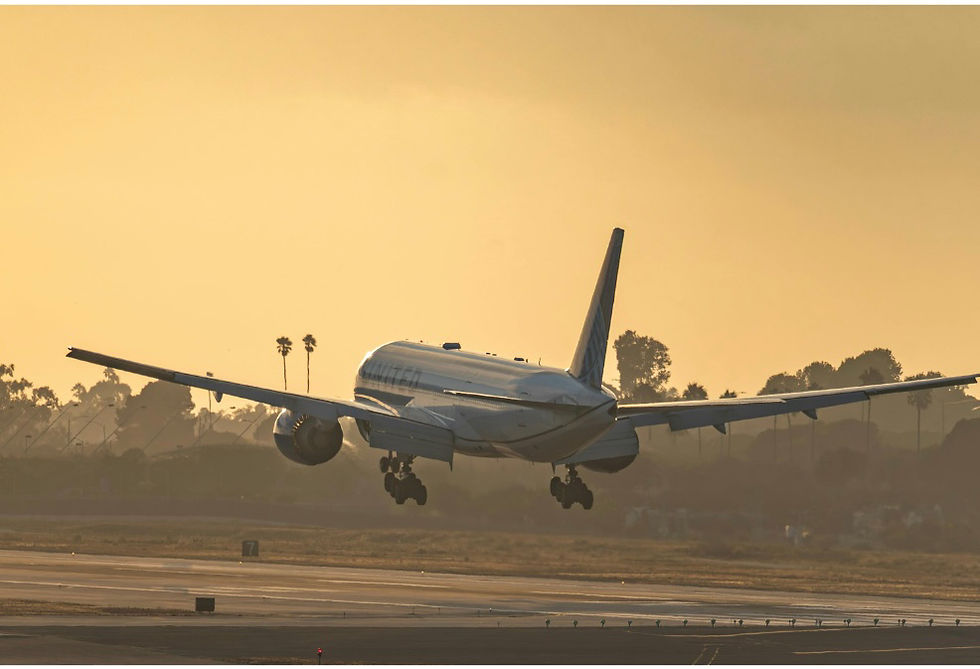
For hybrid-electric planes like the Evio 810, that reality includes cold weather, infrastructure gaps, and system-level complexity.
To learn more, read the article, “A New Kind of Plane Wants to Make Short Flights Sustainable”, by Denis Koshelev.
Infrastructure Challenges
Hybrid aircraft need more than runways. They need power, and a lot of it. Regional airports across Canada aren’t set up for this shift.

Some key barriers:
Limited access to high-capacity electrical systems
No widespread megawatt-level charging infrastructure
Increased demand on already stretched energy grids
For high-frequency routes, turnaround time matters. If charging takes too long, the economics fall apart quickly.
Scaling this infrastructure won’t be simple or cheap.
Cold Weather Changes Everything
Canada’s climate introduces a layer of complexity. Battery performance drops in low temperatures, as we know from electric vehicles.

For aircraft, the stakes are higher:
Batteries may require pre-heating before flight
Energy used for thermal management reduces overall efficiency
Range and performance would vary significantly by region and season
In northern areas, these factors could offset some of the expected emissions gains.
The Weight Problem
Unlike fuel, batteries don’t get lighter during flight. This creates what’s called a “mass penalty.”
Practically, a mass penalty means:
The aircraft carries the full battery weight for the whole trip
Efficiency gains during climb must outweigh this added load
Design trade-offs are more complex
This is one of the most challenging aspects of hybrid aviation, and it’s not yet fully solved.
Airlines are Interested in Hybrid Aircraft
Short-haul routes play a critical role in airline networks by feeding passengers into long-haul flights, connecting smaller cities to major hubs, and supporting economic activity across regions.
Cutting these shorter routes isn’t realistic.
Hybrid aircraft maintain connectivity while lowering emissions, especially on high-frequency routes.
A Combined Strategy
No single solution will decarbonize aviation. A more practical approach combines multiple tools:
Hybrid-electric aircraft for short-haul routes
Sustainable aviation fuels for longer distances
Gradual infrastructure upgrades at key airports
This layered strategy spreads costs and risks.
So, Will it Work?
The Evio 810 is an attempt to tackle a specific problem. It doesn’t try to reinvent aviation overnight. Instead, targeting the segment where emissions are hardest to reduce.
Success depends on:
Real-world performance in cold Canadian climates
Investment in airport infrastructure
Verified emissions reductions at scale
There’s no guarantee. But the direction is clear.
If aviation is going to cut emissions meaningfully, short-haul flights are one of the first places it needs to start.


