Industrial Agriculture Drives Greenhouse Gas Emissions - The Hidden Carbon Cost of Your Salad
Updated: Oct 22, 2025
Sitting down to enjoy a salad, you probably think about freshness and health, not diesel fuel. But most of our vegetables are grown, processed, and transported using fossil fuels. This contributes significantly to global greenhouse gas (GHG) emissions, hidden from our daily choices.
Did you know it takes about 10 tablespoons of diesel fuel to produce just one tomato?

Multiply that by billions of tomatoes worldwide, and you begin to see the scale of the problem.
For a more in-depth look, check out the article “What is urban agriculture, and how can it provide fresh, locally grown produce while reducing GHG emissions?” by Clara Marinozzi.
Industrial Agriculture’s Heavy Environmental Footprint
Modern food systems rely on industrial agriculture, focusing on large-scale, centralized production. This is not sustainable in the long term because it:
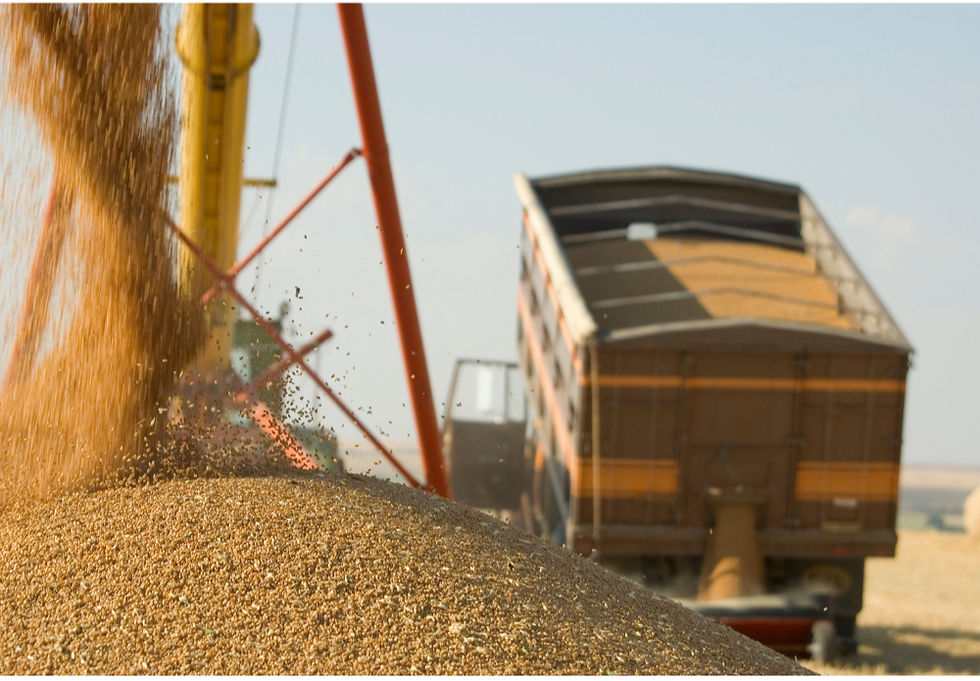
Relies on fossil fuels at every step. Producing synthetic fertilizers and pesticides, running heavy farm machinery, and powering irrigation systems all consume large amounts of oil and gas.
Depends on long-distance transportation. Fruits and vegetables often travel thousands of kilometres to reach grocery store shelves, burning additional diesel in shipping, trucking, and storage along the way.
Destroys natural ecosystems. Forests, wetlands, and grasslands cleared to make room for large mono-crop plantations reduce the ability of these landscapes to store carbon and worsen the climate crisis.
The Scale of Agricultural Emissions
Agriculture’s role in climate change is much larger than most people realize. On a global scale:
Agriculture contributes between 21% and 31% of all GHG emissions. These emissions come from soil degradation, fertilizer use, livestock, and transportation.
Canada’s agriculture and food systems produce 93 megatonnes, or just over 10% of our national greenhouse gas emissions annually. These numbers continue to rise to feed the growing population.
Soil, Biodiversity, and Ecosystem Damage
Industrial farming practices aren’t just carbon-intensive. They also harm the environment in other ways:

Soil degradation requires more chemical inputs. Farmers use more synthetic fertilizers and pesticides when soils are depleted to maintain productivity, creating a harmful feedback loop.
Monocultures decrease biodiversity. Large fields of a single crop type are vulnerable to pests and diseases, requiring even more chemical interventions to survive.
Surrounding ecosystems are destabilized. Industrial farms contribute to water pollution, habitat loss, and eutrophication (the excessive growth of algae in nearby waterways), which harms fish and other aquatic life.
A Fragile, Fossil-Fueled Food System
Industrial agriculture is not just contributing to climate change. It’s also highly susceptible to:
Climate-related disruptions like droughts, floods, and storms that quickly destroy large-scale crops.
Dependence on cheap oil creates vulnerability to fluctuations in fuel prices and supply chain disruptions.
Long-distance supply chains are more likely to break down during global crises, increasing food insecurity.
A Path Forward: Canada’s Climate Commitments
The Canadian government has recognized the need for change and committed to:

Reducing GHG emissions by 40% by 2030.
Achieving net-zero emissions by 2050.
Meeting these ambitious targets requires transforming how we grow, process, and distribute food. Relying on smaller, localized, and more sustainable farming practices will be key to building a resilient food system.
Rethinking Our Food System
Industrial agriculture has helped feed the world, but comes at a steep environmental cost. The hidden diesel in your tomato is just one example of how deeply fossil fuels are embedded in our food system.
We need to move toward more sustainable, local, and ecologically sound ways of growing food. The future of our climate and our ability to continue feeding future generations depends on it.


