How AI Builds a Smarter, More Resilient Electricity Grid in Canada
Artificial intelligence does more than write emails and streamline workflow. Now, AI has moved beyond theory, becoming an operational tool for building a smart grid for Canada’s electricity system.
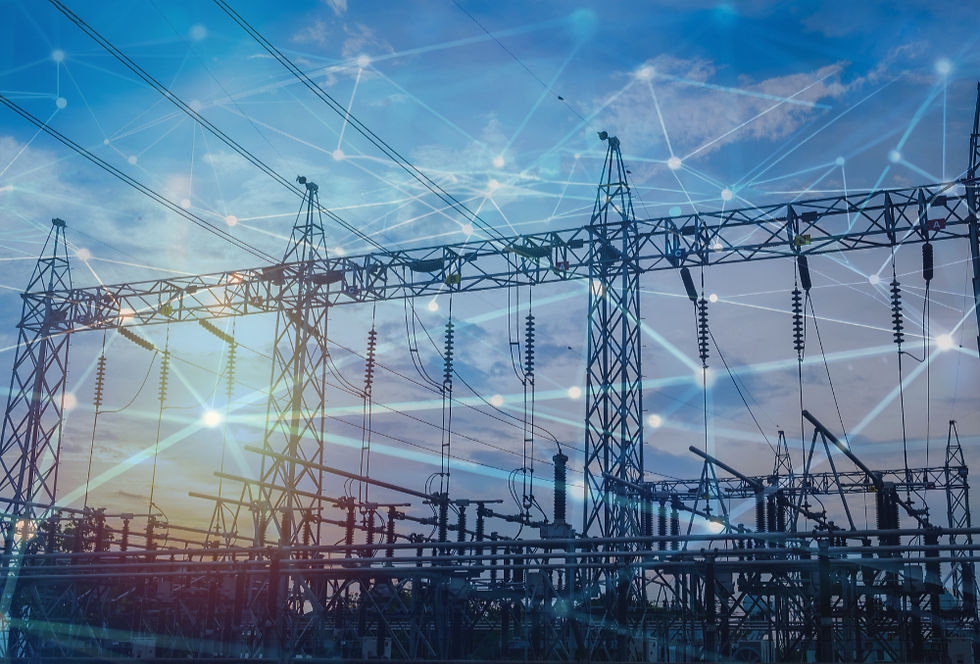
Utilities use AI to manage complex integrations of renewable energy, improve efficiency, and prepare for rising demand.
To look deeper into the subject, read How AI is Transforming Grid Management and Energy Storage in Canada by Denis Koshelev.
Automated Predictive Analytics Make for Smarter Electrical Grids

Utilities have always tried to predict high-demand times. AI systems include more data from historical patterns, weather forecasts, and grid conditions in real time. With greater abilities to predict energy demand, utilities no longer react to problems. They can anticipate issues and take proactive steps.
By implementing accurate predictive AI systems, utilities no longer compromise grid reliability when integrating renewable energy sources.
Consumer Assets as Grid Resources
Now, new programs tap into your smart thermostat, home batteries, and EV chargers as responsive grid resources. Peak demand management using these highly distributed consumer energy resources relieves strain on current infrastructure. All to contribute to Canada’s resilient and flexible electric distribution system.
Using EVs for Energy Storage
EVs play a flexible role using vehicle-to-grid technologies that allow both the consumption and supply of electricity. AI manages the complex coordination between charging and discharging by using grid condition data and the availability of renewable energy.

So, electric vehicles could potentially become a highly cost-effective and efficient form of distributed energy storage.
AI Optimization of Electricity and Battery Storage
Determining when batteries should charge or discharge is easier with AI-powered battery management platforms. Using real-time data, AI optimizes profitability, reduces energy losses and extends battery life. Canada’s future energy demands need large-scale battery deployment.
Looking Ahead
As Canadians look to the future of renewable energy integration, AI is key to balancing lower costs while maintaining a reliable electrical supply.
If successful, AI-enabled grids could significantly reduce infrastructure costs and accelerate Canada’s path toward net-zero emissions. The future of energy may depend as much on intelligent software as on physical infrastructure.


